
Description
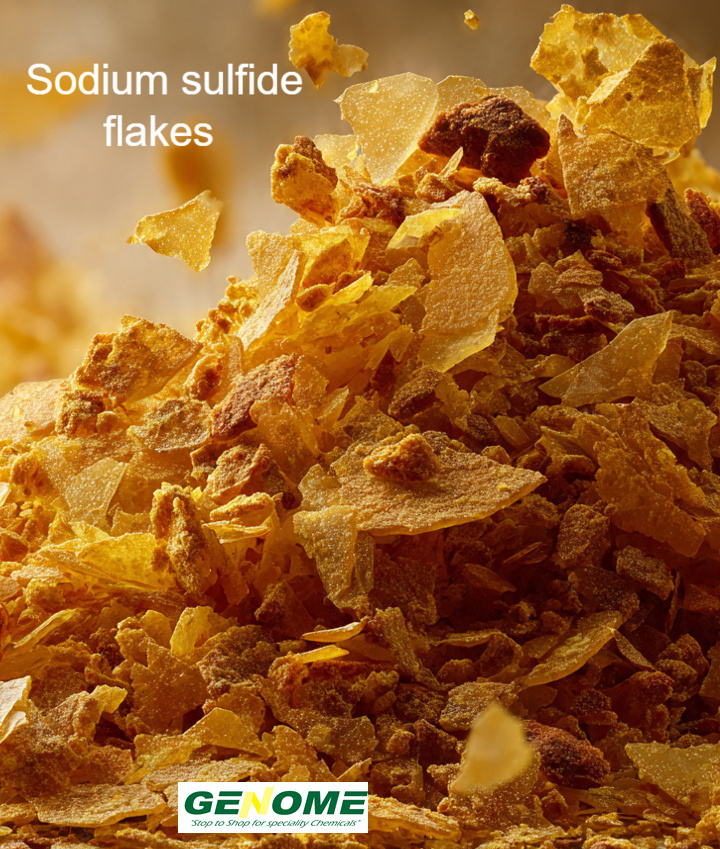
Sodium Sulfide Flakes (Na₂S) are an important inorganic sulfur chemical widely used across leather tanning, pulp and paper, mining, water treatment, textile processing, and chemical manufacturing. Commercial sodium sulfide flakes are generally supplied in hydrated form and are commonly available in approximately 60% Na₂S concentration, depending on the product specification.
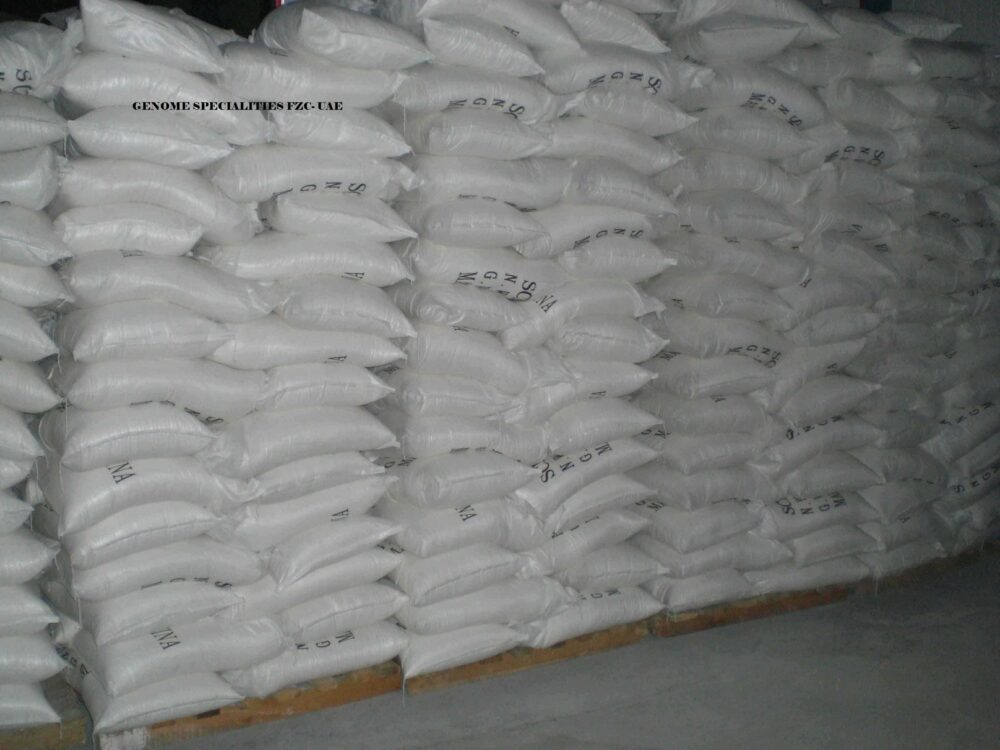
Genome Specialities supplies Sodium Sulfide Flakes for industrial applications, with grades and specifications available according to customer requirements
Basic Chemical Information
| Molar mass: | 78.04 g/mol (anhydrous), 240.18 g/mol (nonahydrate) |
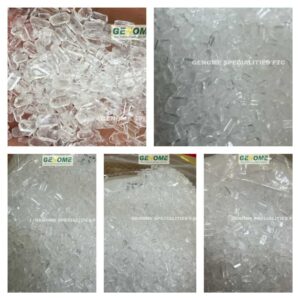
| Appearance | Yellow to reddish-brown flakes (due to impurities); pure form is colorless or slightly purple crystalline |
| Odor: | Strong rotten egg smell (due to hydrogen sulfide release) |
| Density: | 1.86 g/cm³ (anhydrous) |
| Melting point: ~950–1176°C (anhydrous) | ~950–1176°C (anhydrous) |
| Solubility in water: | Highly soluble (186 g/L at 20°C) |
| pH (1% solution) | ~10.4 (strongly alkaline) |
Key Properties
- Appearance: Light yellow to brick-red flakes. The color can vary due to the presence of impurities like polysulfides.
2.Odor: When exposed to moist air, it releases hydrogen sulfide gas (H2S), which has a characteristic “rotten egg” smell.
3. Solubility: Highly soluble in water, forming a strongly alkaline solution.
4.Reactivity: It is a strong reducing agent. It is also corrosive and reacts violently with acids, which can release toxic hydrogen sulfide gas.
Industrial Applications
Leather Tanning
Sodium sulfide is one of the key chemicals used in leather processing and hide dehairing. It assists in breaking down hair and related keratinous materials during the dehairing process, helping prepare hides for subsequent tanning operations.
Pulp & Paper
In the Kraft pulping process, sodium sulfide works together with other alkaline chemicals to assist in the removal of lignin from wood, enabling separation of cellulose fibers for paper production.
Water & Wastewater Treatment
Sodium sulfide can be used to remove selected heavy metals from industrial wastewater. Sulfide ions react with dissolved metal ions to form sparingly soluble metal sulfides, which can then be separated from the treated water.
Textile Industry
Sodium sulfide is used as a reducing agent for sulfur dyes, helping convert dyes into a soluble form so they can be applied to textile fibers. Subsequent oxidation develops the desired color.
Mining & Mineral Processing
In mineral processing and ore flotation, sodium sulfide is used as a sulfidizing or modifying agent in selected flotation processes to assist in the separation and recovery of metal-containing minerals.
Chemical Manufacturing
Sodium sulfide serves as a raw material or chemical reagent in the manufacture of various sulfur-containing chemicals, dyes, rubber chemicals, and specialty intermediates.
Sodium Sulfide Grades
60% Sodium Sulfide Flakes
60% Na₂S flakes are among the most widely used commercial grades. They provide an effective balance between chemical performance, handling, and cost.
Typical applications include:
- Leather tanning
- Pulp and paper
- Water treatment
- Mining
- Textile processing
- General chemical manufacturing
70% Sodium Sulfide Flakes
Higher-concentration grades may be selected where the application requires greater active chemical content per unit of product or reduced product handling volumes.
Low-Iron Grades
Low-iron sodium sulfide is available for applications where iron contamination can affect product quality or color.
Such grades can be particularly important in:
- Light-colored leather processing
- Textile dyeing
- Dye and pigment manufacturing
- Other color-sensitive applications
Standard Industrial Grades
Standard industrial grades generally provide a more economical solution for applications where trace iron and color are less critical, including selected wastewater treatment, mining, and industrial chemical processes.

Reviews
There are no reviews yet.