

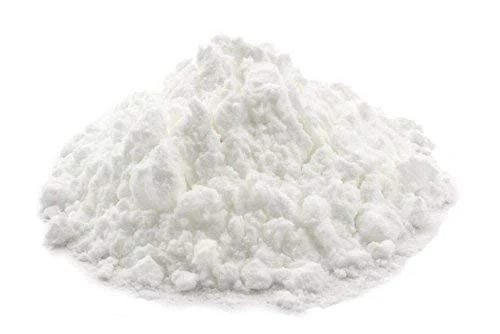
Description
Genome Specialities Fzc supplies Disodium phosphate (DSP), also known as sodium phosphate dibasic, is an inorganic phosphate salt widely used in the food, pharmaceutical, laboratory, water-treatment, detergent, and chemical industries.
Depending on the application, disodium phosphate is available in different purity grades and hydration forms, including anhydrous, dihydrate, heptahydrate, and dodecahydrate.
The primary differences between these forms are their water of crystallization, molecular weight, physical properties, and suitability for specific applications.
The appropriate grade should always be selected according to the relevant regulatory, pharmacopeial, food, or technical specification.
Disodium phosphate is the disodium salt of phosphoric acid.
Its anhydrous chemical formula is Na₂HPO₄, while hydrated forms contain varying amounts of crystallization water and are generally represented as Na₂HPO₄·xH₂O.
DSP is a mildly alkaline, water-soluble phosphate salt with useful buffering and pH-control properties, commonly combined with other phosphate salts, such as monosodium phosphate, to prepare buffer systems with controlled pH.
Chemical Properties
| Property | Description / Value |
| Chemical name | Disodium Phosphate |
| Synonyms | Sodium phosphate dibasic |
| Chemical formula | Na₂HPO₄ (commonly hydrated: Na₂HPO₄·xH₂O) |
| Molecular weight | 141.96 g/mol (anhydrous) |
| Chemical class | Inorganic phosphate salt |
| Appearance | White crystalline powder or granules |
| Odor | Odorless |
| Taste | Saline / slightly alkaline (do not taste in practice) |
| pH (1% aqueous solution, 25 °C) | 8.5 – 9.5 |
| Solubility in water | Freely soluble |
| Solubility in alcohol | Insoluble |
| Hygroscopic nature | Slightly hygroscopic |
| Thermal behavior | Decomposes on strong heating |
| Decomposition products | Sodium oxides, phosphorus oxides |
| Acid–base nature | Mildly alkaline |
| Buffering capacity | Good buffering agent |
| Oxidizing/reducing nature | Neither oxidizing nor reducing |
| Ionic nature | Ionic compound |
| Stability | Stable under normal storage conditions |
| Incompatibilities | Strong acids, strong oxidizing agents |
Disodium Phosphate Grades
The major categories include food grade, pharmaceutical grade, laboratory/reagent grade, and technical or industrial grade.
However, the terms “food grade,” “pharmaceutical grade,” and “technical grade” describe intended quality and regulatory requirements rather than a single universal purity percentage.
- Food-Grade Disodium Phosphate
Manufactured to meet applicable food-additive requirements and quality specifications.
- Buffering agent
- Emulsifying salt
- Stabilizer
- pH-control agent
- Sequestrant
- Processing aid in specific applications used in products such as processed cheese, dairy products, beverages, instant foods, and certain processed food formulations, depending on applicable regulations and permitted use levels.
- Pharmaceutical-Grade Disodium Phosphate
Manufactured and tested according to the requirements of the applicable pharmaceutical specification. Depending on the market and product, this may include standards such as USP–NF, Ph. Eur., or BP.
- A buffering agent
- A pH-adjusting ingredient
- An excipient
- A source of phosphate
- An ingredient in certain pharmaceutical preparations
Pharmaceutical quality focuses not only on assay but also on factors such as identity, impurities, elemental impurities, microbiological quality where applicable, water content, and other specification requirements.
- Laboratory and Reagent-Grade Disodium Phosphate
intended for laboratory, analytical, and research applications.
High-purity reagent grades may have tightly controlled limits for impurities that could interfere with analytical procedures or experimental results.
Common laboratory applications include:
- Preparation of phosphate buffers
- pH control
- Analytical chemistry
- Biochemical research
- Molecular biology
- Cell and laboratory media formulations
- Calibration and reference solutions, where specifically qualified
For analytical applications, users should select a grade that meets the required ACS, reagent, analytical, or other applicable specification.
- Technical or Industrial-Grade Disodium Phosphate
industrial applications where the purity and impurity profile required for food, pharmaceutical, or analytical use is not necessary.
Potential industrial applications include:
- Water treatment
- Detergent formulations
- Metal cleaning
- Industrial pH adjustment
- Process-water treatment
- Chemical manufacturing
- Formulation of cleaning products
The actual purity and impurity limits of technical-grade DSP vary considerably between manufacturers and applications.
Disodium Phosphate vs. Hydrated Disodium Phosphate
One important consideration when purchasing or using DSP is its hydration state.
Anhydrous disodium phosphate contains no crystallization water, while hydrated forms contain fixed quantities of water within their crystal structure.
This difference affects:
- Molecular weight
- Assay calculations
- Water content
- Physical appearance
- Storage behavior
- Solution preparation
- Required quantity for a specific molar concentration
For example, 1 mole of anhydrous Na₂HPO₄ and 1 mole of Na₂HPO₄·2H₂O contain the same number of moles of DSP units, but they have different masses because the dihydrate contains additional water.
Therefore, solution recipes and formulations should always identify the exact hydration state.
Industrial and Commercial Applications of Disodium Phosphate
DSP’s combination of water solubility, alkalinity, phosphate chemistry, and buffering capability makes it useful across several industries.
Food Industry
In food processing, DSP can function as a buffering agent, emulsifying salt, stabilizer, and pH-control ingredient, subject to applicable food regulations.
Pharmaceutical Industry
phosphate buffering, pH adjustment, or phosphate functionality is required
Water Treatment
Phosphate salts can be used in water-treatment formulations for purposes such as pH control and management of mineral deposition, depending on the treatment system and formulation.
Detergents and Cleaning Products
detergent and cleaning formulations where its alkalinity and phosphate chemistry provide useful formulation properties.
Chemical Processing
used as a raw material or formulation component in various chemical processes requiring a soluble phosphate salt


Reviews
There are no reviews yet.