

Description
Genome Specialities FZC is a trusted supplier, and exporter of Ammonium Bicarbonate, providing high-quality products for the food, agriculture, pharmaceutical, and industrial sectors.
Manufactured under strict quality standards, our Ammonium Bicarbonate delivers consistent purity, excellent performance, and reliable results across a wide range of applications.
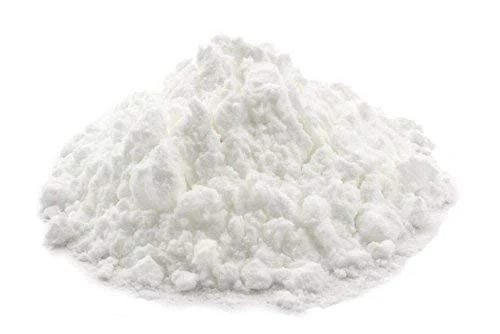
Ammonium Bicarbonate (NH₄HCO₃) is a white crystalline inorganic compound with a mild ammonia odor.
It is widely recognized for its thermal decomposition properties, making it an effective leavening agent in the food industry and a valuable nitrogen source in agricultural applications.
Ammonium Bicarbonate is an inorganic salt composed of ammonium and bicarbonate ions.
Technical Specifications of Ammonium Bi Carbonate
| Parameter | Specification |
| Chemical Name | Ammonium Bicarbonate |
| Chemical Formula | NH₄HCO₃ |
| CAS Number | 1066-33-7 |
| Molecular Weight | 79.06 g/mol |
| Appearance | White crystalline powder |
| Odor | Slight ammonia odor |
| Purity | 98–99% |
| Moisture | ≤ 0.2% |
| Chlorides (as Cl) | ≤ 0.003% |
| Sulphates | ≤ 0.007% |
| Arsenic | ≤ 0.0002% |
| Heavy Metals | ≤ 0.0005% |
| Solubility | Freely soluble in water |
| Decomposition Temperature | Above 36°C |
| Storage | Store in a cool, dry, well-ventilated area in tightly sealed containers |
Applications of Ammonium Bicarbonate
Food Industry
- Leavening agent for biscuits, crackers, cookies, and baked snacks
- Produces a light, crisp texture without leaving solid residues
- Suitable for low-moisture bakery products
Agriculture
- Nitrogen fertilizer for crops
- Supports healthy plant growth
- Provides readily available nitrogen for agricultural applications
Chemical & Industrial Applications
- Fire extinguisher formulations
- Plastic and rubber foaming agent
- Dye and pigment manufacturing
- Leather processing and tanning
- Chemical synthesis and industrial processing
Pharmaceutical & Laboratory Applications
- Chemical reagent
- Buffering agent in selected formulations
- Laboratory and research applications
Benefits of Ammonium Bicarbonate
- High purity and consistent quality
- Excellent leavening performance
- Completely decomposes without residue
- Readily soluble in water
- Reliable nitrogen source for fertilizers
- Suitable for food and industrial applications
- Stable under recommended storage conditions


Reviews
There are no reviews yet.