



Description
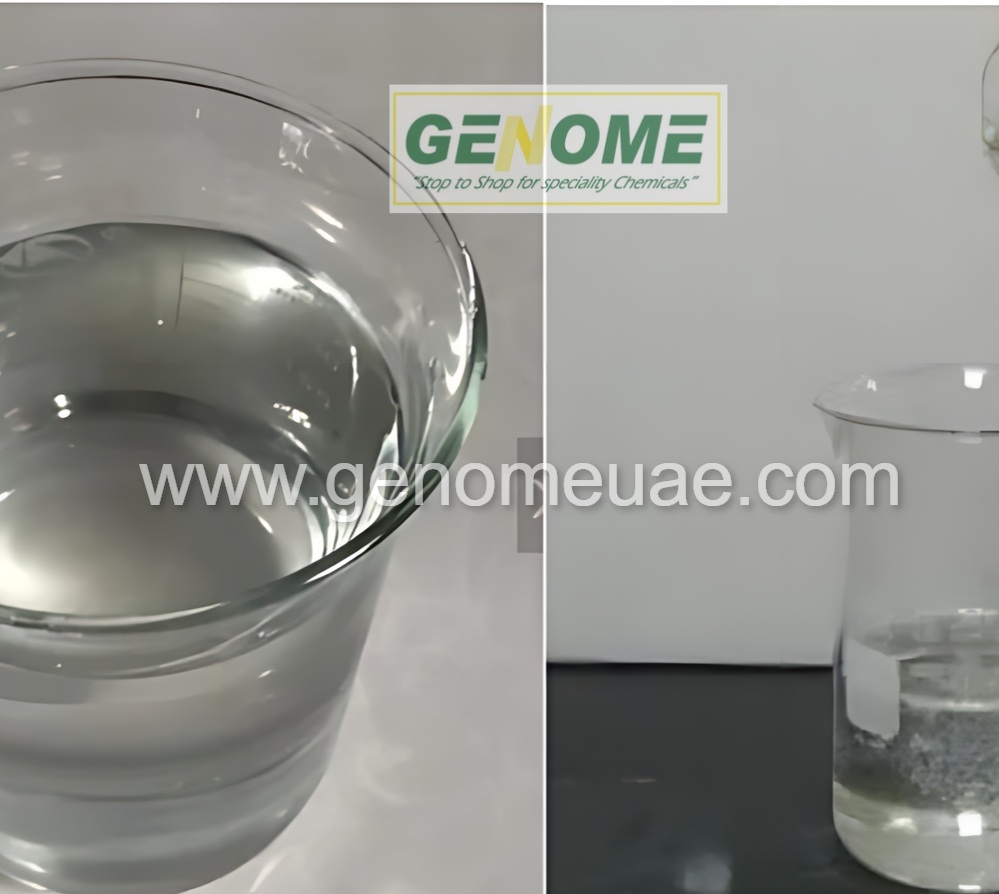
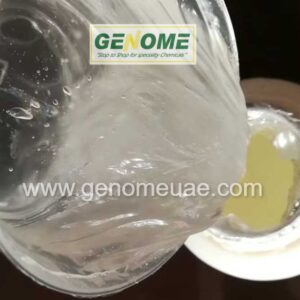
Glycerin 99.7% BP/USP Grade, also known as Glycerol or Glycerine, is a simple polyol compound. It is a clear, colorless, odorless, and sweet-tasting, viscous liquid. Glycerin is a versatile and widely used compound, found in nature and also produced synthetically.
Chemical Properties
| Property | Details |
| Appearance | Clear, colorless, viscous liquid |
| Taste | Sweet |
| Odor | Odorless |
| Boiling Point | ~290 °C (554 °F) |
| Melting Point | ~18 °C (64 °F) |
| Density | ~1.26 g/cm³ at 20 °C |
| Solubility | Highly soluble in water and alcohol |
Uses
Glycerin’s unique properties, particularly its ability to attract and retain moisture, make it a key ingredient in numerous industries.
Personal Care and Cosmetics: Glycerin is a highly effective humectant (a substance that draws water into the skin), emollient (softening agent), and solvent. It is a common ingredient in:
Skin care: Lotions, creams, moisturizers, and facial cleansers to hydrate and protect the skin barrier.
Soaps: Used to make translucent soaps that help the skin retain moisture.
Other products: Toothpaste, mouthwash, hair care products, and deodorants.
Food and Beverages: As a food additive (E number E422), glycerin acts as a:
Sweetener: It has a sweet taste but a lower glycemic index than sugar.
Humectant: Helps to preserve foods by preventing them from drying out.
Thickener and stabilizer: Used in products like liqueurs, low-fat foods, and baked goods.
Pharmaceutical and Medical: Glycerin is used for various medicinal purposes, including:
Laxative: As a rectal suppository or enema to treat occasional constipation by drawing water into the intestines.
Medication ingredient: Used in cough syrups, liquid medicines, and gel capsules to improve smoothness and taste.
Ophthalmic agent: Can be used in eye drops to moisturize dry eyes.
Other uses: In some cases, it is administered intravenously to reduce pressure inside the brain or eyes (e.g., in glaucoma).
Industrial Applications:
Antifreeze: A mixture of glycerin and water has a very low freezing point, making it suitable for deicing and antifreeze fluids.
Manufacturing: Used in the production of flexible foams, surface coatings, paints, and explosives like nitroglycerin.
Research: Used in bio-inks for bioprinting and in blood banking to preserve red blood cells
Grades
Pharmaceutical Grade (USP/BP/EP)
Cosmetic Grade
Food Grade (FCC)
Industrial Grade
Sources of Glycerin
Natural: Glycerin is a component of triglycerides (fats and oils) found in plants (e.g., soybeans, palm oil, coconut oil) and animal fats. It can also be a natural byproduct of the fermentation of certain foods like honey and beer.
Synthetic: It can be produced synthetically, for example, from propylene.
Reviews
There are no reviews yet.