

Description
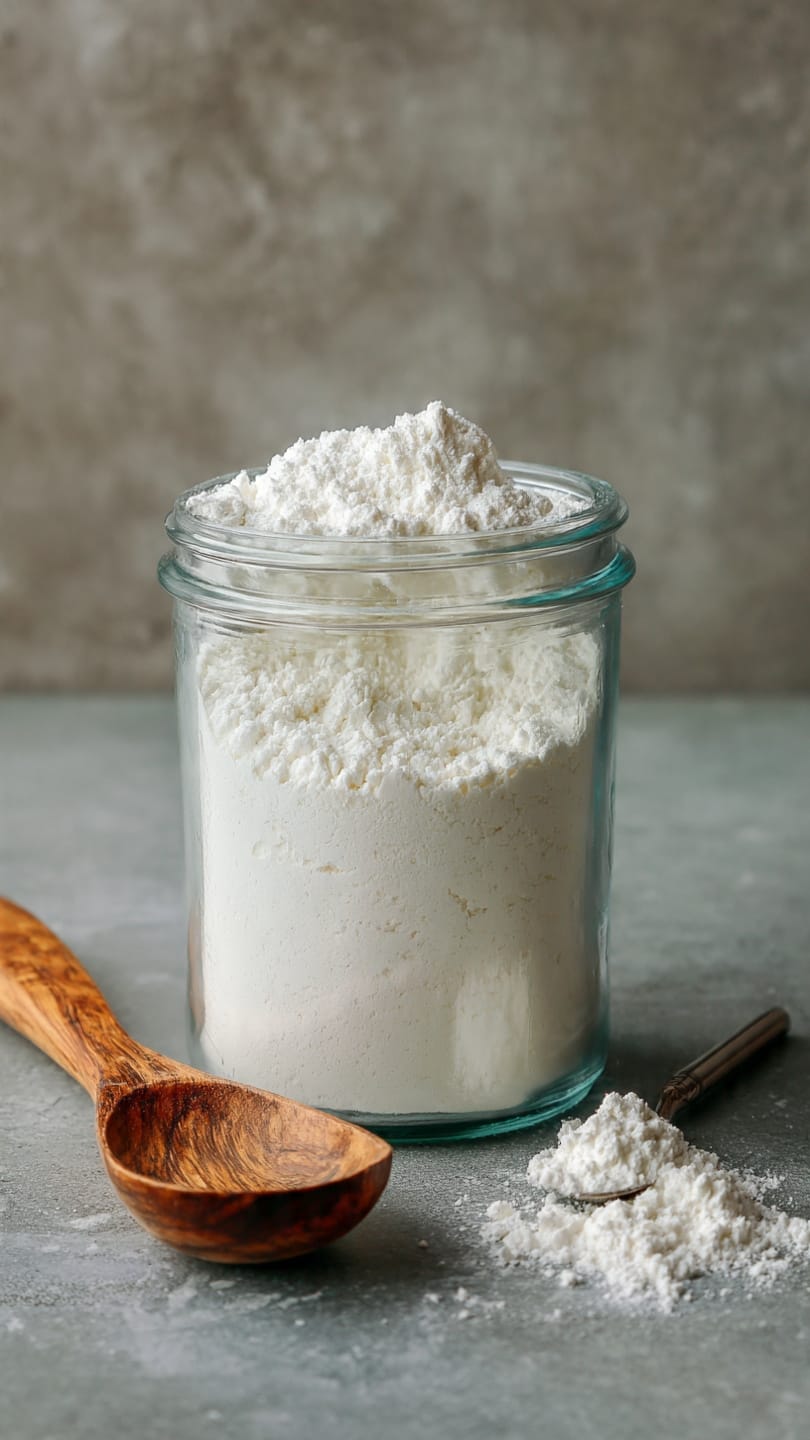
Genome Specialities FZC, we provide high-purity Native Corn Starch, a versatile, clean-label carbohydrate extracted directly from premium corn kernels.
Renowned for its exceptional thickening, binding, and stabilizing properties, our corn starch is the preferred choice for manufacturers seeking natural, non-GMO, and reliable functional ingredients.
We understand that consistency is critical to your production line. Our Native Corn Starch undergoes rigorous quality control to ensure uniform particle size, neutral flavor, and excellent viscosity stability, meeting the highest international safety standards.
- Clean-Label Solution: Unprocessed and free from chemical modifications.
- Superior Functionality: Provides smooth texture and optimal gel strength.
- Global Standards: Fully certified (Halal/ISO/HACCP compliant options available).
- Reliable Supply Chain: Consistent bulk availability for large-scale manufacturing.
Key Applications
Our Native Corn Starch serves as a fundamental building block across multiple sectors, offering performance-driven results in every batch.
Food & Beverage Industry
Improve the mouthfeel and shelf-life of your products with our natural stabilizer.
- Sauces & Soups: Provides clear, smooth thickening without altering taste.
- Bakery: Enhances crumb structure, softness, and moisture retention.
- Confectionery: Used for dusting, molding, and viscosity control in gummies and jellies.
- Dairy: Acts as a stabilizer in yogurts, puddings, and desserts.
Pharmaceutical & Industrial Use
Beyond food, our starch is engineered for high-performance industrial requirements:
- Pharmaceuticals: Effective tablet binder, filler, and disintegrant.
- Paper & Packaging: Improves surface sizing, strength, and printability.
- Textiles: Provides essential sizing and finishing for smoother fabric.
Adhesives: A sustainable, bio-based ingredient for industrial glues and pastes.
Chemical properties 0f Native Corn Starch
| Property | Description |
| Chemical Name | Native Corn Starch |
| Chemical Formula | ((C_6H_{10}O_5)_n) |
| CAS Number | 9005-25-8 |
| Composition | Primarily composed of amylose (20–30%) and amylopectin (70–80%) |
| Monomer Unit | D-Glucose |
| Glycosidic Linkages | α-(1→4) linkages in amylose; α-(1→6) branch points in amylopectin |
| Appearance | White, fine, odorless, and tasteless powder |
| pH (5% Suspension) | 4.5–7.0 |
| Solubility | Insoluble in cold water and alcohol; swells and gelatinizes in hot water |
| Gelatinization Temperature | 62–72°C (varies with corn variety and moisture content) |
| Hydrolysis | Hydrolyzed by acids or enzymes (e.g., α-amylase, glucoamylase) to produce dextrins, maltose, and glucose |
| Chemical Reactivity | Hydroxyl (-OH) groups enable esterification, etherification, oxidation, cross-linking, and other chemical modifications |
| Reducing Nature | Essentially non-reducing, with only a small number of reducing end groups |
| Film-Forming Ability | Forms transparent, flexible films after gelatinization |
| Biodegradability | Readily biodegradable and environmentally friendly |
| Thermal Stability | Stable under normal storage conditions; decomposes at high temperatures (>250°C) |
| Moisture Absorption | Hygroscopic; absorbs moisture from the atmosphere under high humidity |
| Applications Based on Chemical Properties | Used in food products, pharmaceuticals, paper, textiles, adhesives, biodegradable plastics, and chemical modification processes |
Grades of Native Corn Starch
Food Grade (Extra High Purity):
Designed for human consumption, conforming to FCC (Food Chemicals Codex), USP/BP, and international food safety standards (HACCP/ISO).
It features extremely low microbial limits and strict heavy metal thresholds.
Pharmaceutical Grade:
Meets pharmacopeia standards (USP/EP/BP). It is utilized as a binder, diluent, and disintegrant in tablet manufacturing, requiring tighter control on ash content and purity.
Industrial / Technical Grade:
Engineered for non-food applications like paper sizing, textiles, and adhesives.
It prioritizes viscosity stability and binding performance over stringent food-grade microbial limits, offering a more cost-effective option for industrial scale.
Reviews
There are no reviews yet.