
Description
Genome Specialities FZC is a trusted supplier of Nitrilotriacetic Acid (NTA), a high-performance biodegradable chelating agent widely used across detergent, industrial cleaning, water treatment, textile, and chemical processing industries.
NTA effectively binds metal ions such as calcium, magnesium, iron, copper, and other multivalent metals, improving cleaning efficiency and preventing unwanted mineral deposits.
Compared to traditional chelating agents such as EDTA, Nitrilotriacetic Acid offers superior biodegradability, making it an environmentally preferred solution for many industrial applications.
Our premium-grade NTA is manufactured under strict quality standards to ensure consistent purity, excellent performance, and reliable results in demanding industrial processes.
Nitrilotriacetic Acid (NTA) is a polyamino carboxylic acid containing one nitrogen atom and three carboxyl groups.
Its unique molecular structure enables the formation of highly stable complexes with various metal ions, making it an effective sequestrant and chelating agent.
NTA is commonly used to soften water, improve detergent efficiency, stabilize formulations, and enhance chemical reactions where dissolved metal ions may interfere with performance.
Chemical Properties of NTA
| Property | Specification |
| Chemical Name | Nitrilotriacetic Acid |
| IUPAC Name | 2,2′,2”-Nitrilotriacetic Acid |
| Molecular Formula | C₆H₉NO₆ |
| Molecular Weight | 191.14 g/mol |
| CAS Number | 139-13-9 |
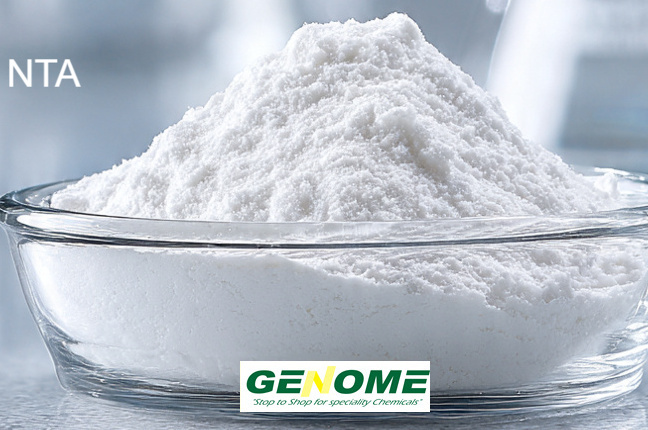
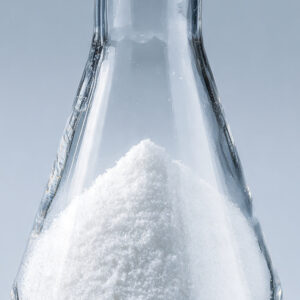
| Appearance | White Crystalline Powder |
| Odor | Odorless |
| Density | Approximately 1.55 g/cm³ |
| Melting Point | 248–252°C (Decomposes) |
| Boiling Point | Decomposes Before Boiling |
| Water Solubility | Soluble (Higher at Elevated pH) |
| pH (1% Solution) | Approximately 2.2 |
| pKa Values | 1.8, 2.5, 9.7 |
| Stability | Stable Under Normal Storage Conditions |
| Biodegradability | High |
| Industrial Forms | NTA Acid, Trisodium NTA, Disodium NTA |
Key Features of NTA
- Excellent metal ion chelating capability
- Improves detergent performance
- Prevents scale formation
- Enhances cleaning efficiency
- Effective in hard water
- Stable under normal storage conditions
- High purity and consistent quality
- Available in multiple industrial grades
- Cost-effective metal sequestrant
Applications of Nitrilotriacetic Acid
Laundry Detergents
NTA improves washing performance by binding hardness ions like calcium and magnesium, allowing surfactants to clean more effectively.
Dishwashing Detergents
Used to prevent mineral deposits, improve cleaning efficiency, and reduce spotting on glassware and utensils.
Industrial Cleaners
Provides superior cleaning performance by removing metal contaminants and preventing scale formation in industrial cleaning systems.
Disinfectant Formulations
Improves formulation stability by preventing metal ions from reducing disinfectant effectiveness.
Water Treatment
Used as a sequestrant to control metal ions in industrial water systems.
Textile Industry
Assists dyeing and bleaching processes by controlling dissolved metal ions.
Pulp and Paper Industry
Improves bleaching efficiency while reducing interference from metal impurities.
Chemical Processing
Acts as an effective complexing agent during various industrial chemical reactions.
Advantages of Nitrilotriacetic Acid
- Environmentally friendly alternative to many traditional chelating agents
- Rapid biodegradation
- Strong affinity for calcium, magnesium, iron, copper, zinc, and other metal ions
- Improves product stability
- Reduces scaling
- Increases cleaning efficiency
- Suitable for industrial and commercial formulations
- Compatible with numerous detergent systems

Reviews
There are no reviews yet.