

Description
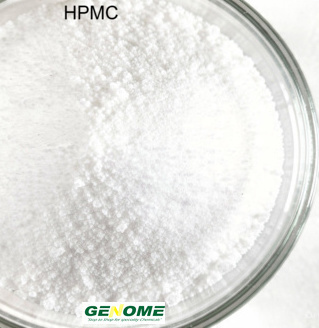
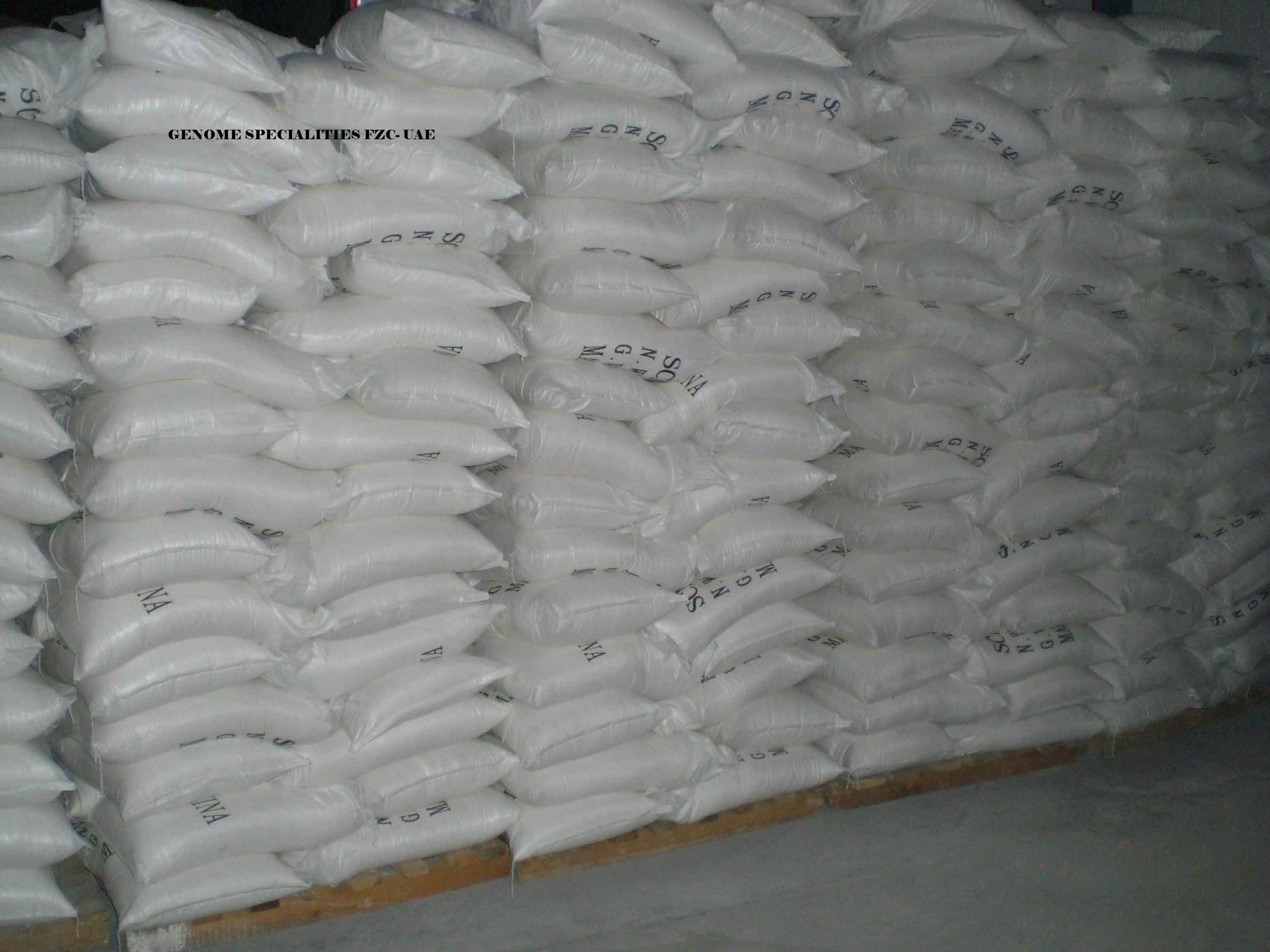
HPMC Hydroxypropyl Methylcellulose ,is a regular stock of Genome Specialities FZC which is a versatile semi-synthetic cellulose ether derived from naturally occurring cellulose.
Suppliers typically provide it as a white to off-white, odorless, free-flowing powder or granules.
HPMC is used by pharmaceutical, construction, food, personal care, and other sectors due to its excellent thickening, binding, water-retention, film-forming, stabilizing, and rheology-modifying properties.
Chemical Properties and Structure of HPMC
| Property | Details |
| Product Name | Hydroxypropyl Methylcellulose (HPMC) |
| Chemical Type | Semi-synthetic cellulose ether |
| Chemical Formula | [(C₆H₇O₂(OH)₃₋ₓ(OCH₃)ₓ(OCH₂CH(OH)CH₃)ᵧ)ₙ] |
| CAS Number | 9004-65-3 |
| Molar Mass | Variable (polymeric compound) |
| Appearance | White to off-white powder or granules |
| Odor | Odorless |
| Taste | Tasteless |
| Solubility | Soluble in cold water; insoluble in hot water |
| pH (2% solution) | 5.5 – 8.0 |
| Density (bulk) | ~0.30–0.50 g/cm³ |
| Moisture Content | ≤ 5% (typical) |
| Thermal Gelation | Forms gel upon heating (reversible on cooling) |
| Decomposition Temperature | > 200 °C (decomposes, no true melting point) |
| Viscosity | Varies by grade (e.g., 3–100,000 mPa·s at 2% solution, 20 °C) |
| Stability | Stable under normal storage conditions |
| Compatibility | Compatible with many salts, surfactants, and polymers |
Key Functional Properties
HPMC offers a combination of functional properties that makes it suitable for a broad range of formulations:
Thickening:
Increases viscosity and improves product consistency.
Binding:
Helps bind powders and ingredients together, particularly in pharmaceutical formulations.
Film Formation:
Produces smooth, flexible films suitable for coatings and encapsulation.
Water Retention: Reduces rapid water loss and improves workability in construction materials.
Rheology Modification: Controls flow, spreadability, and application characteristics.
Stabilization: Helps maintain uniformity and stability in formulated products.
Thermal Gelation:
when heated Forms a reversible gel and returns to solution upon cooling.
Applications of HPMC
Pharmaceutical and Medical
Tablet and Capsule Formulations:
Used as a pharmaceutical excipient. It functions as a binder, thickener, film-forming agent, and controlled-release polymer. Depending on the grade and formulation, it can help regulate the release of active pharmaceutical ingredients.
Film Coating:
Used in tablet and pellet coatings to provide a protective film, improve appearance, facilitate swallowing, and help mask unpleasant tastes or odors.
Ophthalmic Formulations:
Used as viscosity-enhancing and lubricating agents in ophthalmic products, including artificial tears and eye drops.
Construction
Tile Adhesives and Cement-Based Mortars:
HPMC improves water retention, workability, adhesion, open time, and application characteristics.
control the rheology of cement-based formulations and reduces premature water loss during curing.
Gypsum Plasters and Joint Compounds:
HPMC improves consistency, spreadability, water retention, and anti-sag properties, contributing to easier application and improved finishing.
Self-Leveling and Dry-Mix Mortars:
Appropriate HPMC grades can improve flow behavior, water retention, adhesion, and overall handling performance.
Food Industry
used as a functional additive in selected food applications. It can act as a:
- Thickener
- Stabilizer
- Emulsifier
- Film-forming agent
- Binder
- Texture modifier
Used in applications such as sauces, dressings, processed foods, and certain gluten-free bakery products, subject to applicable food regulations and grade requirements.
Personal Care and Home Care
incorporated into lotions, creams, shampoos, liquid formulations, detergents, and other personal or home-care products.
It helps improve viscosity, texture, stability, suspension, and overall product appearance.
HPMC Grades
HPMC is available in a wide range of grades.
Grades are differentiated by viscosity, degree of substitution, substitution pattern, particle characteristics, purity, and intended application.
Low-Viscosity Grades
viscosities below approximately 500 mPa·s, depending on the measurement conditions and grade specification and suitable
for applications requiring relatively low viscosity while still providing binding, film-forming, or water-retention properties.
Typical applications include pharmaceutical coatings, certain liquid formulations, and selected construction products.
Medium-Viscosity Grades
Medium-viscosity grades generally fall within approximately 500–20,000 mPa·s under specified test conditions.
These grades provide a balance between thickening, flow, water retention, and workability.
used it for tile adhesives, cementitious plasters, gypsum products, food formulations, cosmetics, and other applications where moderate viscosity control is required.
High-Viscosity Grades
High-viscosity HPMC grades generally exceed 20,000 mPa·s under specified measurement conditions.
They provide stronger thickening, water-retention, and rheology-modifying effects and may be used in applications requiring enhanced viscosity and formulation stability

Reviews
There are no reviews yet.