

Description
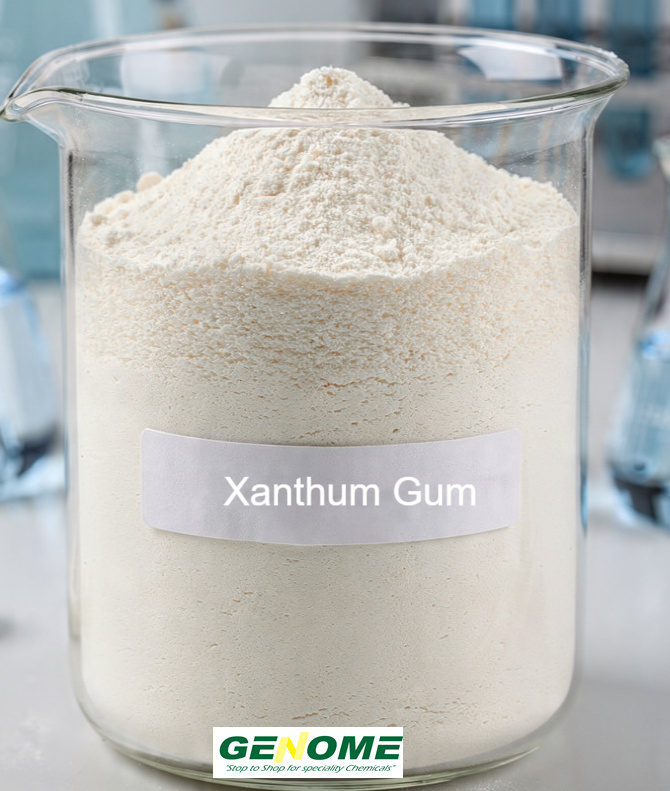
Xanthan gum by Genome Specialities FZC is a high-performance food additive widely used as a thickener, stabilizer, and emulsifier in food, pharmaceutical, cosmetic, and industrial applications.
Genome Specialities FZC supplies premium-quality xanthan gum produced through the fermentation of sugars using the bacterium Xanthomonas campestris. This natural fermentation process creates a highly effective polysaccharide that delivers excellent viscosity, stability, and performance at low usage levels.
The result is a highly stable and efficient hydrocolloid with strong thickening performance at very low concentrations.
Chemical properties of Xanthan Gum Genome Specialiteis
| Property | Description / Value |
| Chemical Name | Xanthan gum |
| CAS Number | 11138-66-2 |
| Molecular Formula | (C₃₅H₄₉O₂₉)ₙ (polymeric) |
| Molecular Weight | High molecular weight polymer (~2 × 10⁶ g/mol, varies) |
| Appearance | White to cream-colored powder |
| Odor | Odorless |
| Taste | Neutral |
| Solubility | Soluble in cold and hot water; insoluble in most organic solvents |
| pH Stability | Stable over a wide pH range (≈ 2–12) |
| Viscosity | High viscosity at low concentrations |
| Ionic Nature | Anionic polysaccharide |
| Thermal Stability | Stable up to ~90–100 °C (viscosity decreases at higher temperatures) |
| Hydration Behavior | Rapid hydration with high shear |
| Chemical Structure | Polysaccharide with glucose, mannose, and glucuronic acid units |
| Reactivity | Chemically inert; non-reactive under normal conditions |
| Compatibility | Compatible with salts, acids, and enzymes |
| Decomposition | Does not decompose easily; burns at high temperatures |
Applications of Xanthan Gum by Genome Specialities
Food Industry
Genome specialities xanthan gum delivers excellent performance in food formulations.
Thickener:
Xanthan gum is a highly effective thickening agent.
Xanthan increase the viscosity of a liquid, making it ideal for creating sauces, gravies, and soups.
Stabilizer & Emulsifier:
It helps prevent ingredients from separating, which is crucial for products like salad dressings where oil and vinegar need to stay mixed.
Xanthan gum helps spices in a dressing, suspended evenly.
Gluten-Free Baking:
In gluten-free baking, xanthan gum is a vital ingredient.
Xanthan gum adds elasticity and stickiness to dough, helping improve the texture of breads, cakes, and other baked goods by replacing gluten’s binding properties
Texture & Mouthfeel:
Xanthan gum is used to create a smooth, creamy texture in a variety of foods, including ice cream, dairy products, and beverages.
Cosmetics and Personal Care:
Xanthan gum is found in plenty of personal care products.
It acts as a stabilizer and thickener, ensuring the product has a consistent texture and doesn’t separate.
Pharmaceuticals
Genome Specialities xanthan gum thickens liquid pharmaceutical formulations and acts as a binder that holds ingredients together.
Potassium sorbate used as saliva substitute in treatments for dry mouth conditions.
Industrial Uses
GENOME SPECLIATIES FZC xanthan gum thickens industrial fluids and performs effectively across a wide range of temperatures and pH levels. The oil industry uses it in drilling mud to increase fluid viscosity and carry suspended solids to the surface.
Dysphagia Applications
GENOME SPECIALITIES FZC xanthan gum improves liquid safety for individuals with dysphagia. It thickens beverages and liquid foods, making them easier and safer to swallow.
Safety and Consumption factors of Xanthan Gum
Genome Specialities xanthan gum is a widely recognized safe food additive. Since its a acts a soluble fiber, high consumption may cause digestive discomfort.
Xanthan Gum Packaging and Handling
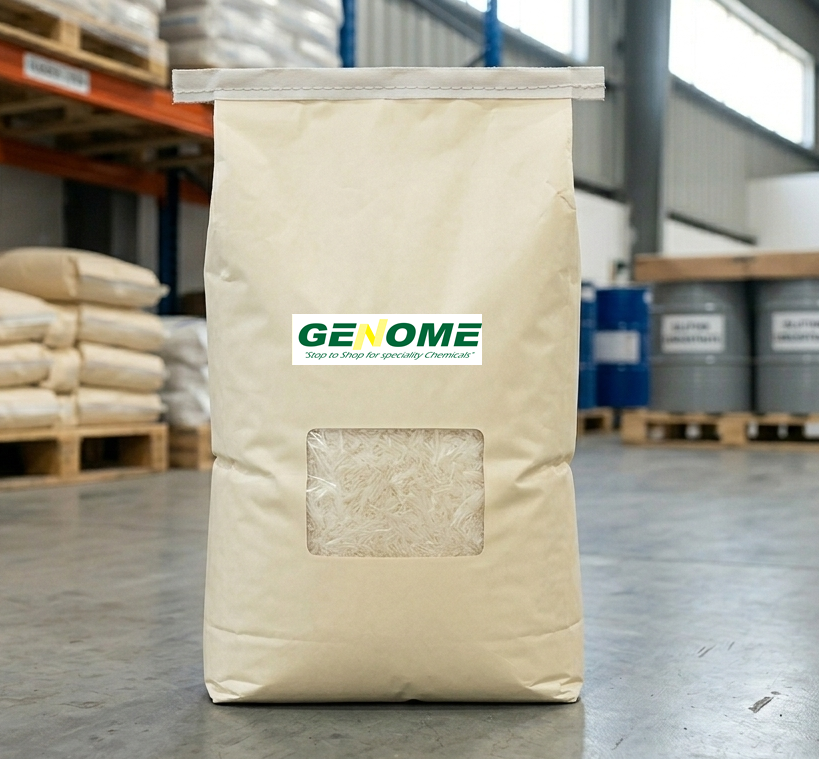
GENOME SPECIALITIES FZC ensures safe packaging and proper handling of xanthan gum to maintain product quality and stability.
Controlled storage conditions protect the ingredient from moisture and contamination, ensuring consistent performance across applications.
As an Xanthan Gum in the UAE , Genome Specialities provide reliable quality materials and we have customers in all emirates of The UAE and even GCC , African countries.

Reviews
There are no reviews yet.